Technical SEO Services
Your website can have great content and still struggle to rank if search engines can’t properly crawl, understand, or index it. SEO Revive finds and fixes the technical issues that hold your website back, from crawl and indexation problems to site structure, performance, and search accessibility.

100+
Businesses Helped
250%
Average Traffic Growth
5+
Years Experience
Request Your Technical SEO Audit
Trusted By Growing Businesses
Businesses across industries trust SEO Revive to build stronger search visibility and long-term organic growth.








Our Technical SEO Services
Technical SEO is the foundation that helps search engines access, understand, and evaluate your website. We work across the technical elements that can affect crawling, indexing, performance, and organic visibility, fixing issues that can hold your website back from reaching its full search potential.
Technical SEO Audits
We conduct a detailed technical SEO audit to identify crawl issues, indexing problems, broken links, duplicate content, performance issues, and other technical barriers affecting your website’s search visibility.
Crawling & Indexing
We make sure search engines can efficiently discover, crawl, and index the pages that matter to your business while identifying issues that may prevent important content from appearing in search.
Site Architecture & Internal Linking
We improve your website’s structure and internal linking to create clearer paths between important pages, distribute authority effectively, and make your content easier for search engines to understand.
Core Web Vitals & Performance
We identify performance issues affecting loading speed, responsiveness, and visual stability, then recommend and implement improvements that create a better experience for users and search engines.
JavaScript SEO & Rendering
We analyze how search engines render JavaScript-driven websites and resolve issues that can prevent important content, links, or page elements from being properly discovered and indexed.
Structured Data & Schema
We implement relevant structured data to help search engines understand your pages, content, and business information more clearly and make your website eligible for supported search features.
Technical Errors & URL Management
We identify and resolve issues involving broken pages, redirects, canonical URLs, duplicate pages, and HTTP status codes to keep your website technically clean and easier for search engines to navigate.
XML Sitemaps & Robots.txt
We optimize your XML sitemaps and robots.txt files to help search engines discover the right pages, understand your website’s crawl priorities, and avoid unnecessary crawling.
Website Migration & Technical SEO
We manage the technical SEO side of website migrations, including redirects, URL changes, indexation, canonicalization, and post-migration checks to help protect your organic visibility during the transition.
Technical SEO Results You Can See
See how SEO Revive identifies and resolves technical issues that can affect search visibility, then builds a stronger foundation for sustainable organic growth.
Julia Beauty
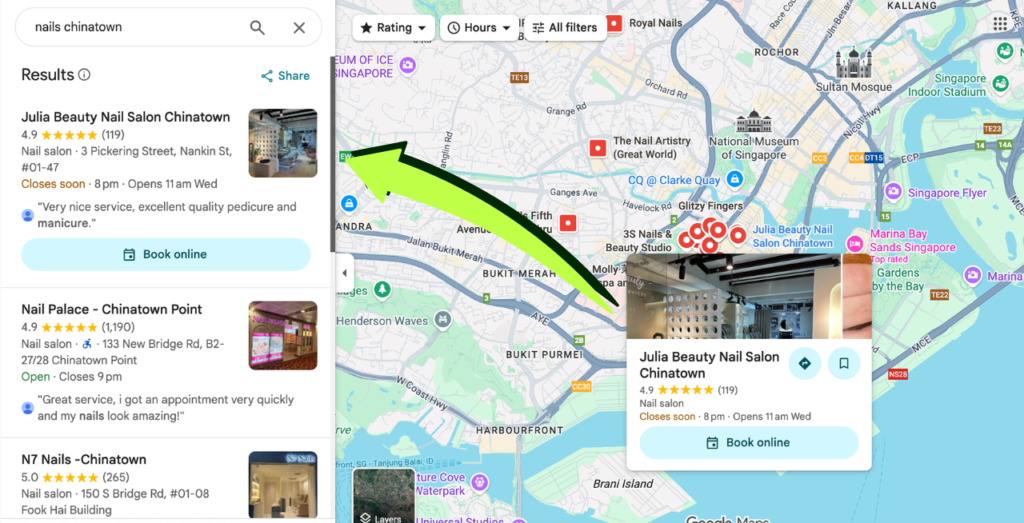
Technical SEO Challenge
What We Improved
Result
Slide Chef
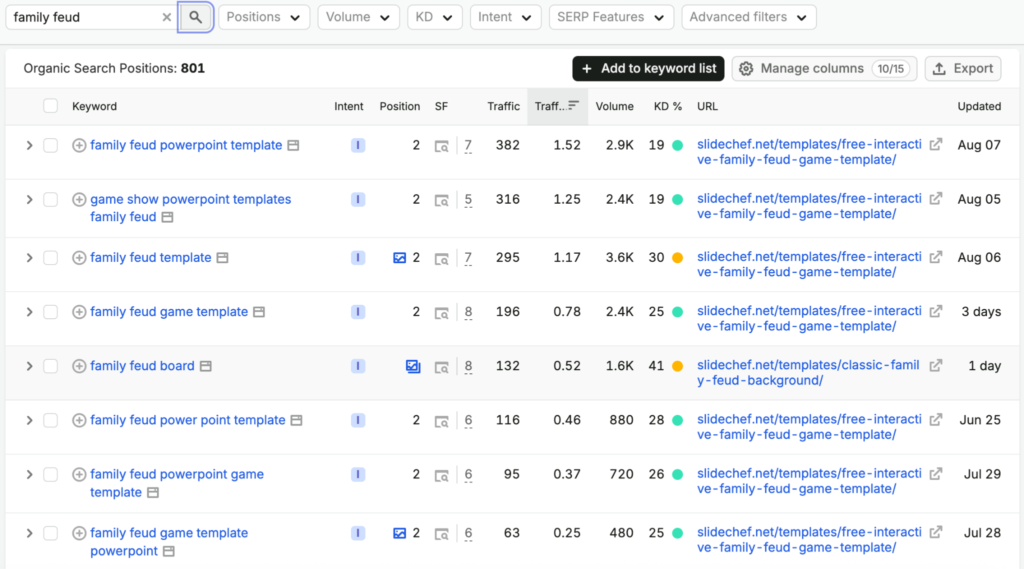
Technical SEO Challenge
What We Improved
Result
Technical SEO Problems We Solve
Technical problems are not always obvious, but they can quietly limit how well your website performs in search. We help businesses find the issues behind poor visibility, lost traffic, and pages that search engines struggle to access or understand.
Your Important Pages Aren't Being Indexed
Organic Traffic Has Dropped
Search Engines Can't Properly Crawl Your Website
Your Website Works for Users but Not for Search Engines
A Website Migration Has Affected SEO
Your Website Has Too Many Technical Errors
Your Website Is Slow or Underperforming
Search Engines Don't Understand Your Website Clearly
Want to Know What's Holding Your Website Back?
Our Technical SEO Audit can help identify the issues affecting your website’s crawling, indexing, performance, and organic visibility.
Technical SEO Audit
Before making changes, we need to understand what is happening across your website. Our technical SEO audit team looks at how search engines access, interpret, and evaluate your site, then turns those findings into a clear and prioritized action plan.
Crawl Your Website
We crawl your website to understand its structure, discoverability, URLs, links, and the pages search engines can access.
Analyze Technical Signals
Find What Needs Attention
We identify technical gaps and separate critical issues from lower priority recommendations, so you know what actually needs to be addressed.
Prioritize the Fixes
We organize the findings by impact and urgency, creating a practical order for addressing the issues that matter most to your search performance.
Build Your SEO Action Plan
You receive a clear roadmap outlining what needs to be fixed, why it matters, and what should happen next.
Crawling & Indexing
Search engines need to discover and access your pages before they can rank them. Technical SEO helps create a clear path through your website so important pages can be found, understood, and included in search results.

Website

Crawl

Understand

Index

Rank
A page being published does not automatically mean Google will find it, process its content, or include it in the search results. The way your website is structured can affect how efficiently search engines discover and evaluate your pages.
We look at how search engines move through your website, where that path breaks down, and whether important pages are reaching the index. This becomes especially important for large websites, JavaScript based sites, e-commerce stores, and websites with frequent URL changes.
The goal is not to have every page indexed. It is to make sure the right pages are accessible, indexable, and supported by a clear site structure.
Can Google Find the Page?
Search engines need a clear path to discover important pages across your website.
Can Google Access the Content?
Technical barriers should not prevent search engines from reaching or processing valuable content.
Can Google Understand the Page?
Clear technical signals help search engines understand what each page is about and how it relates to the rest of the website.
Should the Page Be Indexed?
Not every page needs to appear in search. The focus should be on making the right pages available for indexing.
Is the Right Version Being Indexed?
Search engines should be able to identify the preferred version of a page when multiple URLs or similar versions exist.
When these signals work together, search engines have a clearer understanding of your website and the pages that matter most.
Site Architecture & Internal Linking
The right local keywords connect your business with customers who are actively searching for what you offer. We research search terms based on your services, locations, competition, and customer intent to identify opportunities that can drive relevant local traffic and leads.
Homepage
The homepage provides the main entry point and connects visitors to your most important services, categories, and sections.
Main Services & Categories
Important Pages
Your most valuable pages should be easy to reach without having to navigate through multiple layers of the website.
Supporting Content
A Clear Site Hierarchy
Internal linking is not about adding as many links as possible. The goal is to create meaningful connections between related pages and help search engines understand the importance and context of each page.
Core Web Vitals & Performance
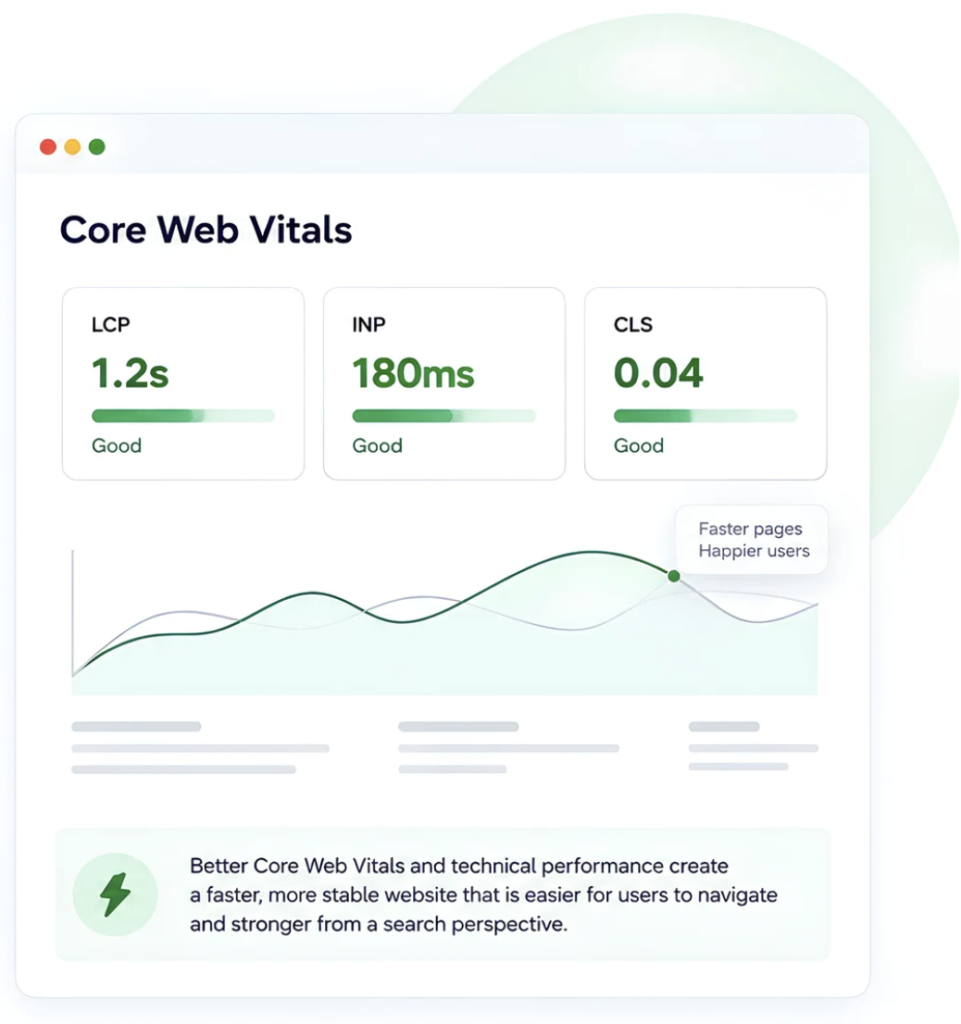
A fast, stable website creates a better experience for users and gives search engines stronger technical signals to work with. We improve the performance factors that affect how quickly your pages load, respond, and remain stable while users interact with them.
Largest Contentful Paint (LCP)
Interaction to Next Paint (INP)
We analyze delays between user actions and page responses, helping make interactions feel faster and more responsive.
Cumulative Layout Shift (CLS)
Core Web Vitals Performance
Technical Performance
JavaScript SEO & Rendering
Modern websites often rely on JavaScript to load content, create interactions, and build page experiences. If search engines cannot properly render that content, important pages or elements may not be fully understood or indexed.
JavaScript Rendering
We analyze how search engines process JavaScript on your website and identify content or page elements that may not be rendered as expected.
Content Accessibility
Important content should remain accessible to search engines even when a page depends heavily on JavaScript. We identify areas where rendering can affect what search engines see.
Links & Navigation
Rendering & Indexing
Modern JavaScript Websites
Structured Data & Schema
Search engines use structured data to better understand what a page represents and how its information is connected. We implement relevant schema across your website to provide clearer context about your business, content, products, services, and other important entities.
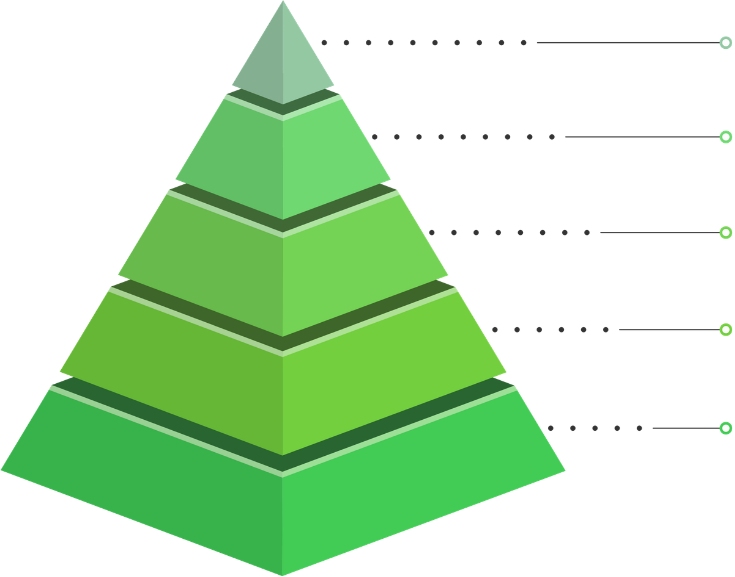
Schema Strategy
Accurate Implementation
Business & Organization Data
Product & Service Schema
Validation & Monitoring
We check the implemented schema for errors and inconsistencies and monitor important changes as your website and content evolve.
The goal is not to add more markup. It is to give search engines clear, accurate, and useful context about your website and its content.
Canonicalization, Redirects & Status Codes
Search engines can encounter multiple URLs, moved pages, and outdated versions of the same content across a website. Clear URL signals help them understand which pages should be treated as the preferred version and how different URLs relate to each other.
Canonical URLs
We use canonical signals to help search engines identify the preferred version when similar or duplicate URLs exist.
301 Redirects
When pages move or URLs change, we implement relevant redirects to guide users and search engines to the correct destination while preserving existing SEO signals where possible.
410 Status Codes
For pages that have been permanently removed and should not be replaced with another URL, we use the appropriate 410 status response to clearly communicate that the content is gone.
404 Errors
We identify broken URLs and determine whether they should be restored, redirected, or intentionally removed based on their purpose and SEO value.
Redirect Chains & Loops
We identify unnecessary redirect chains and loops that can create poor user experiences and make it harder for search engines to efficiently process your website.
Clear canonical, redirect, and status code signals help keep your website’s URL structure clean and give search engines a clearer understanding of how your pages should be handled.
XML Sitemaps & Robots.txt
XML sitemaps and robots.txt help search engines understand how to discover and access your website. We make sure both work together with your site’s structure and indexing strategy rather than creating unnecessary crawl barriers.
A clean sitemap and correctly configured robots.txt give search engines a clearer path through your website and help them focus on the pages that matter.
XML Sitemap Structure
We review your sitemap to make sure important, indexable URLs are included and unnecessary or outdated URLs are kept out.
Robots.txt Configuration
We check your robots.txt rules to make sure they are not accidentally blocking important pages, resources, or sections that search engines need to access.
Sitemap & Indexing Signals
We compare sitemap URLs with your site’s indexation signals to identify inconsistencies that may prevent important pages from being discovered or indexed properly.
Crawl Control
We use robots.txt and other technical signals carefully to guide search engine crawlers without blocking content that should remain accessible.
Ongoing Checks
As your website grows or URLs change, we review sitemap and robots.txt configurations to keep them aligned with your current website structure.
Mobile SEO & Page Experience
Most searches happen on mobile, so your website needs to work smoothly across different screen sizes and devices. We improve the technical experience of your mobile pages so users can access, navigate, and interact with your content without unnecessary friction.
Mobile Usability
We review how your pages work across mobile devices and identify layout, navigation, content, and interaction issues that can affect usability.
Responsive Design
We check how your website adapts to different screen sizes so important content and functionality remain accessible across devices.
Mobile Page Performance
We identify performance issues that can make mobile pages slow or difficult to use, particularly on slower connections and less powerful devices.
Navigation & Interactions
We review menus, buttons, forms, links, and other interactive elements to make sure they remain easy to use on smaller screens.
Mobile Page Experience
We look at the overall mobile experience alongside technical performance and usability to create pages that are easier for both users and search engines to access.
A technically sound mobile experience helps your website serve users effectively wherever they search.
Website Migration & Technical SEO
Moving to a new website, platform, domain, or URL structure can affect organic visibility if important SEO signals are lost during the transition. We manage the technical SEO side of migrations to help preserve your existing search presence and create a clean foundation for the new site.
Migration Planning
We review the existing website structure, important URLs, indexation signals, and technical setup before the migration begins.
URL & Redirect Mapping
We map old URLs to their relevant new destinations and implement redirects where needed to help users and search engines reach the correct pages.
Indexation & Crawl Checks
We monitor crawling and indexation during the migration to identify pages that may become inaccessible, excluded, or incorrectly indexed.
Technical SEO Signals
We review canonicals, XML sitemaps, robots.txt, structured data, internal links, and other technical signals to make sure they remain aligned after the move.
Post-Migration Monitoring
We check the new website after launch for technical errors, broken URLs, indexing changes, and other issues that could affect organic visibility.
A successful migration is not just about launching the new website. It is about moving your SEO foundation with it.
Technical SEO for Different Website Types
Technical SEO is not the same for every website. We adapt the strategy to your platform, website structure, size, and the way search engines need to access and understand your pages.
E-commerce Websites
Large product catalogs can create complex URLs, duplicate pages, filtering issues, and crawl challenges. We help keep product, category, and supporting pages technically organized and accessible.
SaaS Websites
SaaS websites often have dynamic content, JavaScript based experiences, and complex page structures. We focus on crawlability, rendering, indexation, and the technical signals that support organic growth.
WordPress Websites
WordPress sites can develop technical issues through plugins, themes, URL changes, and duplicated or unnecessary pages. We identify and resolve issues while keeping the website’s SEO structure clean.
Large Websites
Large websites need a stronger focus on crawl efficiency, site architecture, internal linking, indexation, and technical scalability. We help search engines reach the pages that matter without unnecessary complexity.
JavaScript Websites
Websites built heavily with JavaScript can require additional attention around rendering, content accessibility, links, and indexation. We make sure important content remains accessible to search engines.
Migrating Websites
When a website is moving to a new platform, domain, or structure, technical SEO needs to be planned around the migration. We help protect important URLs, redirects, indexation, and search signals throughout the transition.
Technical SEO is not the same for every website. We adapt the strategy to your platform, website structure, size, and the way search engines need to access and understand your pages.
Why Choose SEO Revive for Technical SEO
Technical SEO requires more than finding errors. It requires understanding how those issues affect your website, prioritizing what matters, and knowing how to fix them without creating new problems.
Technical SEO Expertise
We look beyond surface-level issues to understand how your website’s technical setup affects crawling, indexing, performance, and organic visibility.
Data-Driven Approach
We use technical audits, search data, and website insights to make decisions based on what your website actually needs.
Technical + SEO Understanding
We connect technical improvements with your wider SEO strategy so fixes support your content, rankings, and organic growth.
Clear Priorities
Not every technical issue has the same impact. We focus on the problems that matter most instead of overwhelming you with a list of low-priority errors.
Practical Recommendations
You receive clear recommendations that explain what needs to change, why it matters, and how it can improve your website’s search performance.
Transparent Communication
We keep technical SEO understandable, with clear reporting and straightforward communication throughout the work.
Built for Modern Websites
From WordPress and e-commerce websites to JavaScript-based platforms and large websites, we adapt our technical approach to the way your website is built.
Our Technical SEO Process
A clear technical SEO process helps us move from identifying issues to implementing the right fixes and improving your website’s search foundation.
01
Technical SEO Audit
02
Prioritize the Issues
03
Build the Strategy
04
Implement the Fixes
05
Monitor & Refine
Ready to Fix Your Technical SEO?
Tell us about your website and we’ll help identify the technical issues that may be affecting your search performance.
SEO Tools & Technology
We use industry-leading SEO and technical tools to audit, monitor, and improve your website’s search performance.


What Our Clients Say
Real feedback from businesses working directly with SEO Revive.
“The SEO Revive team has done a great job for us. Since working with them, we’ve been receiving consistent organic calls from people looking for manicure and pedicure services. The team is easy to work with, understands what needs to be done, and keeps us updated throughout the process. It has been a really good experience working with them.”
“Excellent work by SEO Revive. They ranked our Family Feud template page at #1 in just three months, and that page continues to bring us a large share of our organic traffic. What I really appreciate is that their team doesn’t just focus on rankings. They understand the search intent, recommend what needs to be improved, and actually get the work done. Very happy with the results and the team.”

“SEO Revive has done more than just improve our rankings. We can actually see a stronger presence for our brand in the market, and people are starting to recognize and talk about us. Their SEO team is professional, highly skilled, and knows what needs to be done. They make practical recommendations, explain why they matter, and work toward the results we want. Highly recommended.”

“SEO Revive has been great to work with. They helped us improve our online visibility and made it much easier for people to find our real estate services through search. I also appreciate that they don’t just send reports and disappear. Their team explains what they’re working on, points out what needs attention, and follows through on it. I am very happy with the work so far.”

“We’ve had a really good experience working with SEO Revive. Their team took the time to understand our dental services and the type of patients we wanted to reach. We’ve seen better visibility in search and a steady improvement in the enquiries coming through our website. The team is professional, responsive, and always clear about what they recommend and why.”
Frequently Asked Questions
What is Technical SEO?
Technical SEO focuses on improving the technical foundation of a website so search engines can crawl, understand, and index its pages effectively.
What does a Technical SEO audit include?
A Technical SEO audit reviews areas such as crawling, indexing, site architecture, performance, JavaScript rendering, structured data, redirects, canonicalization, sitemaps, and other technical signals.
Why is Technical SEO important?
Technical issues can prevent search engines from accessing or understanding important pages. Fixing those issues creates a stronger foundation for organic search visibility.
How long does Technical SEO take?
The timeline depends on the size of your website, the number of issues, their complexity, and how quickly the recommended changes can be implemented.
Can Technical SEO improve rankings?
Technical SEO can remove barriers that limit search visibility and help search engines access and understand your website more effectively. Rankings also depend on factors such as content, authority, competition, and search intent.
Do you provide Technical SEO audits?
Yes. We review your website, identify the most important technical issues, and provide a prioritized plan for improvement.
Can you fix Technical SEO issues?
Yes. We can work through technical recommendations and implement fixes across areas such as crawling, indexing, site structure, performance, redirects, schema, and other technical elements.
Can Technical SEO help a website migration?
Yes. Technical SEO should be part of the migration process to protect important URLs, redirects, indexation, canonical signals, and other search signals during the transition.
Do you work with JavaScript websites?
Yes. We analyze how search engines render JavaScript-based websites and identify issues that can affect content accessibility, crawling, and indexation.
Can Technical SEO help large websites?
Yes. Large websites often need greater attention to crawl efficiency, site architecture, internal linking, indexation, and technical scalability.
How often should a Technical SEO audit be done?
A full audit does not always need to happen on a fixed schedule. The right frequency depends on your website, its size, how often it changes, and whether major technical updates or migrations take place.